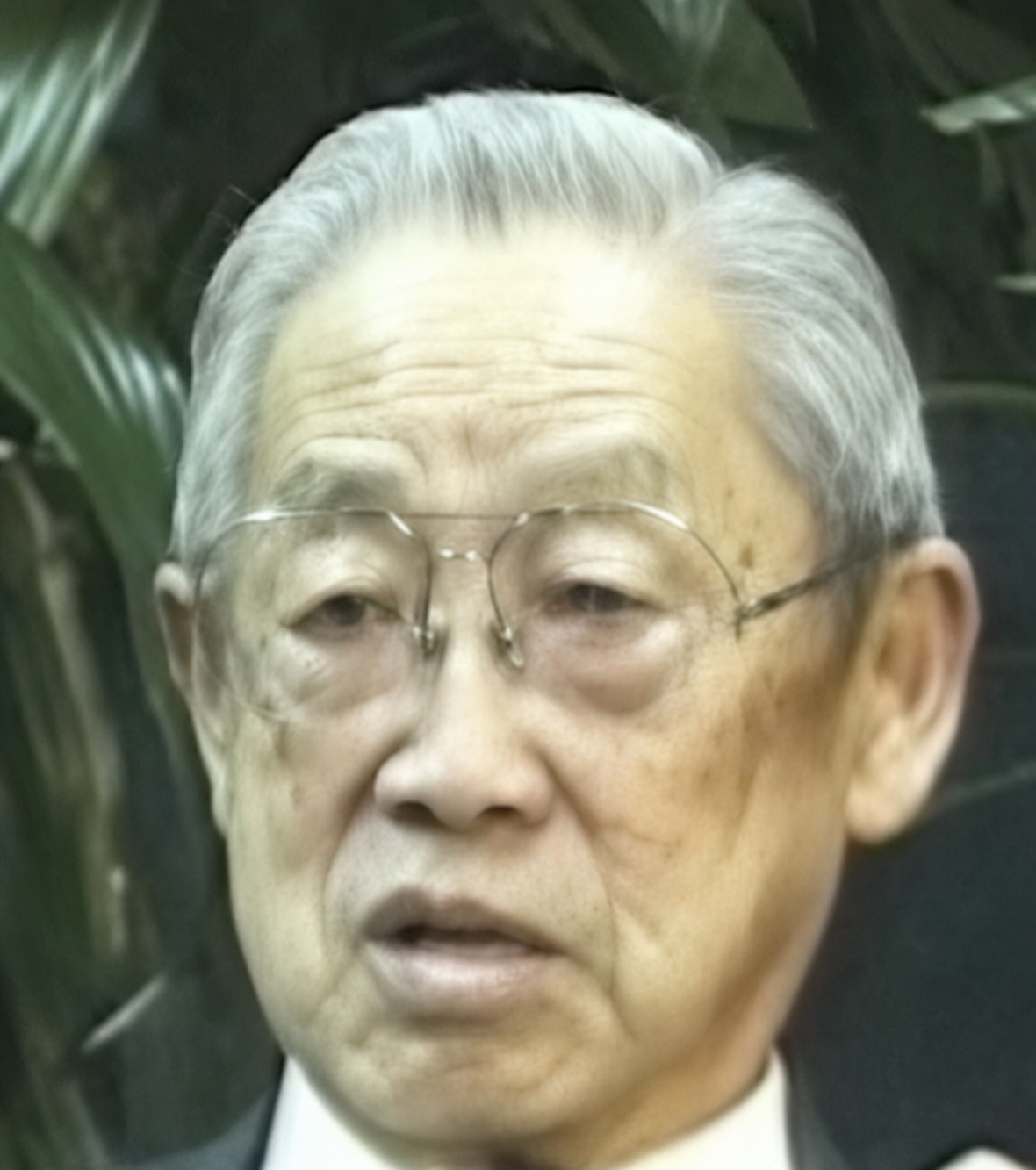
A life remembered
Church life, childhood exclusion, Depression-era labor, and small-business work carried Henry Lee through the making of a Korean American life. His memories move from parents who left Korea for Hawaii and California to Sacramento church gatherings, San Francisco Korean language school, field work, restaurant labor, and the Jefferson Boulevard world of Los Angeles. Family photographs guide much of the account, turning names, siblings, churches, and school groups into a map of early Korean America.
At the center of the story is Hank's Lunch, the restaurant Henry took over in 1936 and remembered as far more than a lunch counter. During hard years, it became a gathering place where Korean American young people ate, joked, borrowed money, courted, met future spouses, and found a familiar door. Henry's life story shows community infrastructure in its most ordinary form: a storefront, a counter, long hours, and a proprietor shaped by parents who fed and helped others.
Based on interviews held by the USC Digital Library.
1904-1919
A Family Across Korea, Hawaii, and California
Henry Lee identified his father as Lee Unmok and his mother as Shin Hwan, placing his own life within a family migration that began in Korea and passed through Hawaii before taking root in California. His oldest brother Charles had been born in Korea, and Henry understood the family's departure as part of the larger pressure Koreans faced under Japanese domination. A baby sibling died in Hawaii, one of the quiet losses carried inside the family story.
By Henry's childhood, the Lee family belonged to Korean community life in Sacramento. Looking at a photograph of the Korean church there, he could identify parents, siblings, and neighbors and could remember how small the local Korean population was. The church was more than a worship space. It gathered families who needed language, faith, political news, childcare, friendship, and a way to see themselves as part of something larger than scattered households.
Family photographs gave Henry a structure for remembering. He named brothers and sisters, placed his mother with the baby, and used the image of the church to explain that the people pictured were nearly the whole Korean community in the area. His early world was ordinary and historically charged at once: meals, siblings, school, and errands, alongside a community watching events in Korea with fierce attention.
The photographs also show how memory worked for him. A name led to a sibling, a sibling led to a migration route, and a migration route led back to Korea, Hawaii, Sacramento, and San Francisco. Henry did not separate private family history from community history. To identify one face in a photograph was to restore part of a shared Korean American world.
1919-1927
Independence Memory and Korean School
Henry remembered the 1919 Korean independence movement through the emotions it stirred in Sacramento's Korean church community. As a boy, he absorbed stories and images of Japanese violence in Korea, and that knowledge entered his childhood with overwhelming force. He recalled reacting angrily toward Japanese children at school, a painful memory that shows how colonial violence abroad could shape the feelings of American-born children in California.
After the family moved to San Francisco, Korean language school became another anchor. A photograph from around 1927 placed Henry among other Korean American children and teachers who worked to keep language and identity alive. Public school gave him American education, but Korean school connected him to family history, church life, and community obligation. It also gave children a place where being Korean was not an explanation they had to defend.
Christian life structured the family's social world. Henry remembered church-linked outings, including annual Memorial Day gatherings in Golden Gate Park, as some of the few shared recreations available to the community. His mother also sent the children into American church settings, showing how Korean families moved between institutions. Faith, language, patriotism, and social life were not separate categories; they were woven through the same weekly routines.
Those routines mattered because the community was small and resources were limited. Children did not have many Korean public spaces outside church, language school, and family networks. Henry's recollections make clear that identity was taught not only in lessons, but through repeated attendance: going where Korean adults gathered, hearing what they worried about, and learning that Korea remained part of California life.
1920s
The First Lessons in Exclusion
San Francisco widened Henry's world, but it also gave him one of his earliest experiences of formal racial exclusion. In sixth grade, a Mexican classmate invited him to play baseball, and Henry joined a boys' club team. After a few games, the club returned his membership money and told him he could not continue. His brother later learned that Asian boys were not allowed.
The rejection marked him deeply. Henry remembered going home in tears and later becoming cautious in school. In high school he was surrounded mostly by white classmates, with very few Asian or Black students, and he withdrew into a narrow routine of classes, home, and Korean language school. He did have moments of recognition with other Korean young people, but shyness and exclusion kept his social world small.
His memories do not reduce childhood to discrimination. He also remembered family businesses in San Francisco: his mother running a cleaning shop, his father operating a cigar store, and the new pleasure of having enough pocket money to buy lunch. Still, the boys' club incident became a dividing line. It taught him that skill and belonging were not always enough, and that racial rules could appear without warning even in a child's game.
The emotional consequence was quiet but lasting. Henry described moving through high school without the friendships many graduates remembered afterward. He attended classes, went home, and later recognized that the exclusion had pushed him inward. the boys' club did more than end a baseball season. It changed how a young Korean American boy approached public life.
1928-1935
Loss, Scattered Family, and Work
Henry graduated from high school in 1928, but his plans changed after his mother's death around that time. He remembered the family gathering at the hospital and then scattering afterward, as if the household center had disappeared. A brother with a university engineering education struggled to find work and later died in a mine fire in the Philippines, a family tragedy Henry recalled as part of the larger instability of those years.
Henry moved into labor instead of further schooling. He picked fruit in the Selma and Dinuba area for very low wages and ended a crop season still owing for room and board. Restaurant work followed. In Stockton, he worked for Korean restaurant owners through exhausting sixteen-hour days, seven days a week, gaining skills but almost no leisure, hobbies, or margin for young adulthood.
The Depression shaped every choice. In Alhambra, working for Young Kim, Henry remembered a full day off and a raise after Franklin Roosevelt's election as a major improvement in life. He also took responsibility for his younger sister, removing her from a home in San Francisco after she begged to leave. With little furniture and almost no household equipment, the two began again, making family duty more important than comfort.
These years trained Henry in the practical knowledge that later made Hank's Lunch possible. He learned food service from the bottom up: long hours, small wages, customers, suppliers, cooking, and the physical stamina required to keep a business open. By the time opportunity appeared on Jefferson Boulevard, he had already learned that a restaurant was sustained by labor most customers never saw.
1936
Hank's Lunch on Jefferson Boulevard
Henry moved to Los Angeles in the mid-1930s and settled near Jefferson Boulevard with his sister. He had a car, restaurant experience, and very little security. Grace's family had bought a restaurant on Jefferson, but the business was struggling. Because Henry knew food work, Grace suggested that he take it over on credit. In 1936, that practical suggestion became the beginning of Hank's Lunch.
The business opened during lean times. Henry remembered painfully low receipts, the pressure of paying help, and the need to feed relatives and customers even when the restaurant itself barely earned enough. He and Grace married in 1939 after her mother's death changed the family's wedding plans. The trip to Yuma was hot, simple, and inexpensive, and Henry later remembered borrowing money from a neighboring Chinese laundryman to make the wedding possible.
Hank's Lunch nevertheless became one of the best-known Korean American businesses in that Los Angeles community. It was a place to eat, but it was also a place to linger, wait, joke, court, and be recognized. The restaurant's reputation came not from polish but from use. People came because the door was familiar, the owner was known, and the counter belonged to the social life of Jefferson Boulevard.
Henry remembered the business with humor as well as hardship. There were slow evenings, practical jokes, machines that drew young people in, and the constant presence of family. Grace's role is essential in the story: she helped connect him to the restaurant, became his partner in marriage, and shared the strain of making a household and a business in Depression-era Los Angeles.
Community
A Lunch Counter as Community Infrastructure
Henry's memories of Hank's Lunch are full of informal community life that rarely appears in official records. Young people hung around the restaurant, played amusement machines, teased one another, and sometimes met the people they would marry. Employees, customers, relatives, and friends blurred together. In a community scattered by work and limited opportunity, the restaurant offered a public room where Korean Americans could be casual with one another.
Generosity ran through the story, even when it cost him. Henry fed young people, loaned money, and helped people who arrived with urgent needs because he had watched his own parents do the same. He remembered his mother feeding hungry Korean men in San Francisco and his father asking him to assist others even when he had little himself. The habit of helping became both a burden and a source of pride.
Korean American community took shape in everyday places as well as formal organizations. Hank's Lunch was a storefront business, a family livelihood, and a social commons. Behind it stood church photographs, Korean school, Depression labor, sibling responsibility, borrowed money, and a belief that people should be helped when they came through the door. Henry's counter preserved those values in the language of food, work, and welcome.
Henry remembered the social texture of those years in churches, clubs, jobs, loans, and neighborhood businesses. He remembered names, debts, jokes, marriages, and the comic frustration of people who borrowed and avoided repayment. These details do not distract from history; they are history. They reveal how a community survived through familiarity, obligation, laughter, and repeated acts of help.